
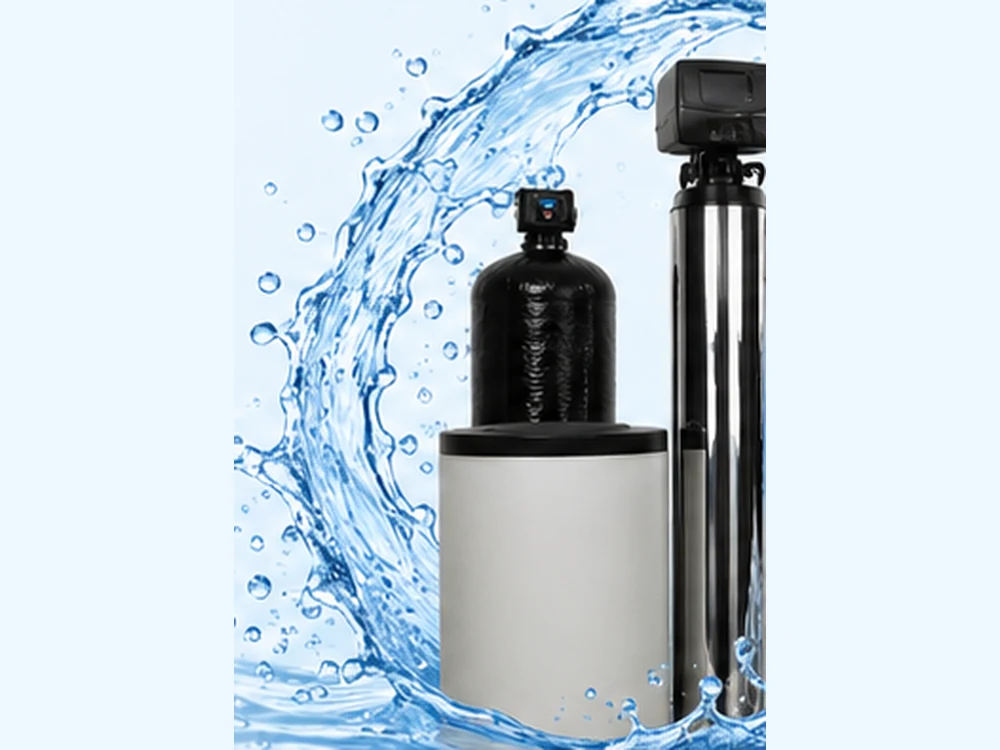
Water Softener Systems can be appropriate for a Greenville home when the household has a defined goal and the proposed complete system is sized for the property and verified for that purpose. It is designed to manage hardness minerals through ion exchange so scale-related cleaning and appliance concerns can be addressed.
Is water softening the right next step?
Water Softener Systems is best considered for households with verified hardness and a clear goal such as reducing scale, soap consumption, spotting, or hardness load on water-using equipment. It is not removal of every contaminant; a softener does not replace a sediment filter, carbon system, reverse osmosis system, or disinfection process when those are needed.
In Greenville, Long plumbing runs, outbuildings, private wells, and seasonal water use may be relevant for some properties. Define every fixture and structure that needs treatment, then plan the system around the actual water path. That property-specific review matters because equipment can be technically capable in a laboratory yet poorly suited to a home’s flow, pressure, plumbing, service access, or maintenance expectations.
Define the result before selecting equipment
Write the goal in plain language. Examples include reducing verified hardness, improving selected taste or odor concerns, providing treated drinking water at one faucet, reducing sediment throughout the home, or addressing a specific laboratory result. Then identify where the result is needed: every fixture, the cold-water line, the hot-water system, or one drinking tap.
A treatment label is not a complete answer. Ask what each stage does, what it does not do, and which exact model claim applies. If the recommendation includes several stages, require a flow-order diagram and a reason for each stage.
Evidence and testing for water softening
Use existing source information first. Public-water homes can begin with the current utility report and property plumbing history. Private-well homes usually need source-specific testing and may also need a well and pressure-system review. A laboratory sample is most useful when its location and method match the decision.
- Collect raw water when evaluating what enters the proposed treatment.
- Collect treated water when verifying a specific installed stage.
- Separate hot-only, cold-only, fixture-specific, and whole-home symptoms.
- Use contaminant-specific methods for health-based questions.
- Record date, location, flushing, treatment status, and relevant settings.
How water softener systems should be sized
The recommendation should document measured hardness, iron or manganese when relevant, household demand, peak flow, resin volume, salt efficiency, regeneration settings, and available drain capacity. A large marketing capacity number does not replace a hydraulic and operating review.
Ask what happens during the property’s busiest realistic water-use period. For point-of-entry equipment, simultaneous showers, laundry, dishwashing, toilets, and outdoor use can create high flow. For point-of-use equipment, daily production, storage, appliance connections, and recovery time may be more important. Pressure before and after treatment should be measured or reasonably supported.
Installation planning for a Greenville home
Map the main shutoff, treatment location, pipe size, water heater, floor drain or approved discharge route, electrical access, bypass, and service clearance. Protect equipment from freezing, flooding, physical damage, and finished-space leaks. Determine who performs plumbing work and who carries responsibility for the installation before the agreement is signed.
On installation day, verify the delivered model numbers against the proposal. Photograph valves, labels, drain lines, settings, and flow direction. Observe startup, flushing, sanitizing where required, pressure and leak checks, and the first automatic cycle for equipment that backwashes or regenerates.
Maintenance and ownership
Plan for appropriate salt, brine-tank checks, injector and drain-line inspection, periodic cleaning, setting verification, and tracking water use or regeneration behavior. Keep replacement part numbers, manuals, service intervals, baseline readings, and contact information in one record. The person responsible for each task should be named.
Calendar reminders are useful, but condition-based signals matter too. Differential pressure, capacity, alarms, flow changes, salt use, production rate, and treated-water results may indicate service before or after a nominal calendar date. Never extend a verified capacity because the water still looks or tastes acceptable.
How to compare water softening proposals
| Proposal item | What should be written |
|---|---|
| Problem definition | The exact concern, source, evidence, and desired result. |
| Equipment | Complete manufacturer and model numbers for every stage. |
| Performance | The exact verified claim, rated flow, capacity, and operating limits. |
| Installation | Plumbing, valves, drains, electrical work, permits, responsible parties, and cleanup. |
| Ownership | Parts, labor, service intervals, warranties, total price, payment terms, and cancellation rights. |
| Verification | Startup checks, baseline readings, and any appropriate post-installation testing. |
Frequently asked questions
Is water softening available in Greenville, IN?
ZeroTrace Water provides water softening education and accepts availability requests for Greenville. Exact equipment, installation coverage, and scheduling are confirmed by ZIP code and project scope.
How is a water softener systems system selected?
Selection should begin with the source and the goal, then review measured hardness, iron or manganese when relevant, household demand, peak flow, resin volume, salt efficiency, regeneration settings, and available drain capacity. The complete model’s claim and operating limits should match the evidence.
What maintenance does water softening require?
Appropriate salt, brine-tank checks, injector and drain-line inspection, periodic cleaning, setting verification, and tracking water use or regeneration behavior. Follow the exact model instructions and document service dates and performance.
How should proposals be compared?
Compare the exact model numbers, written treatment purpose, verified claims, sizing assumptions, installation scope, responsible parties, recurring parts and labor, warranty terms, total cost, and post-installation verification plan.
For the broader local guide, visit water treatment in Greenville, IN. For technical details that are not location-specific, read the main Water Softener Systems guide.